

Mornings are usually rushed, and skipping breakfast often feels easier than cooking something. But honestly, you don’t need a full kitchen setup or 30 minutes to eat something good.
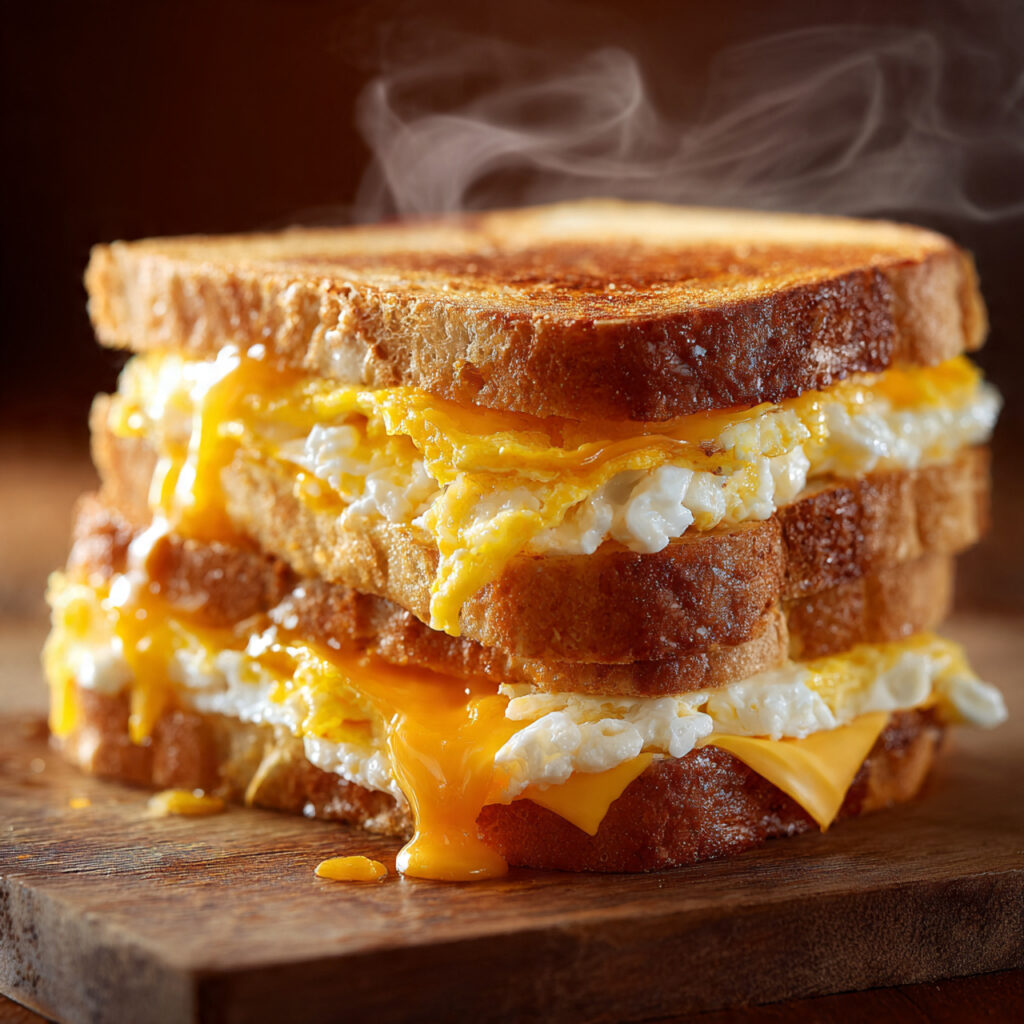
This quick breakfast sandwich is one of those simple, reliable meals you can make in under 10 minutes – no stress, no complicated steps. It’s warm, filling, and flexible enough to match whatever you have in your fridge.
Whether you’re heading to work, studying, or just want something comforting with your morning coffee, this sandwich gets the job done without feeling boring.
Why You’ll Love This Breakfast Sandwich
What makes this recipe worth keeping in your routine is how practical it is.
First, it’s fast. You can literally start cooking and be eating within minutes, which matters when your morning is already packed.
Second, it’s flexible. You can keep it basic with eggs and cheese, or upgrade it with veggies, sauces, or protein depending on your mood.
And most importantly, it actually feels satisfying. It’s not one of those light breakfasts that leaves you hungry an hour later. This one sticks.
Ingredients
You don’t need anything fancy here, and that’s exactly why this works so well.
At the base, you need some kind of bread. Regular sandwich bread works perfectly, but buns or muffins can make it feel more like a café-style meal.
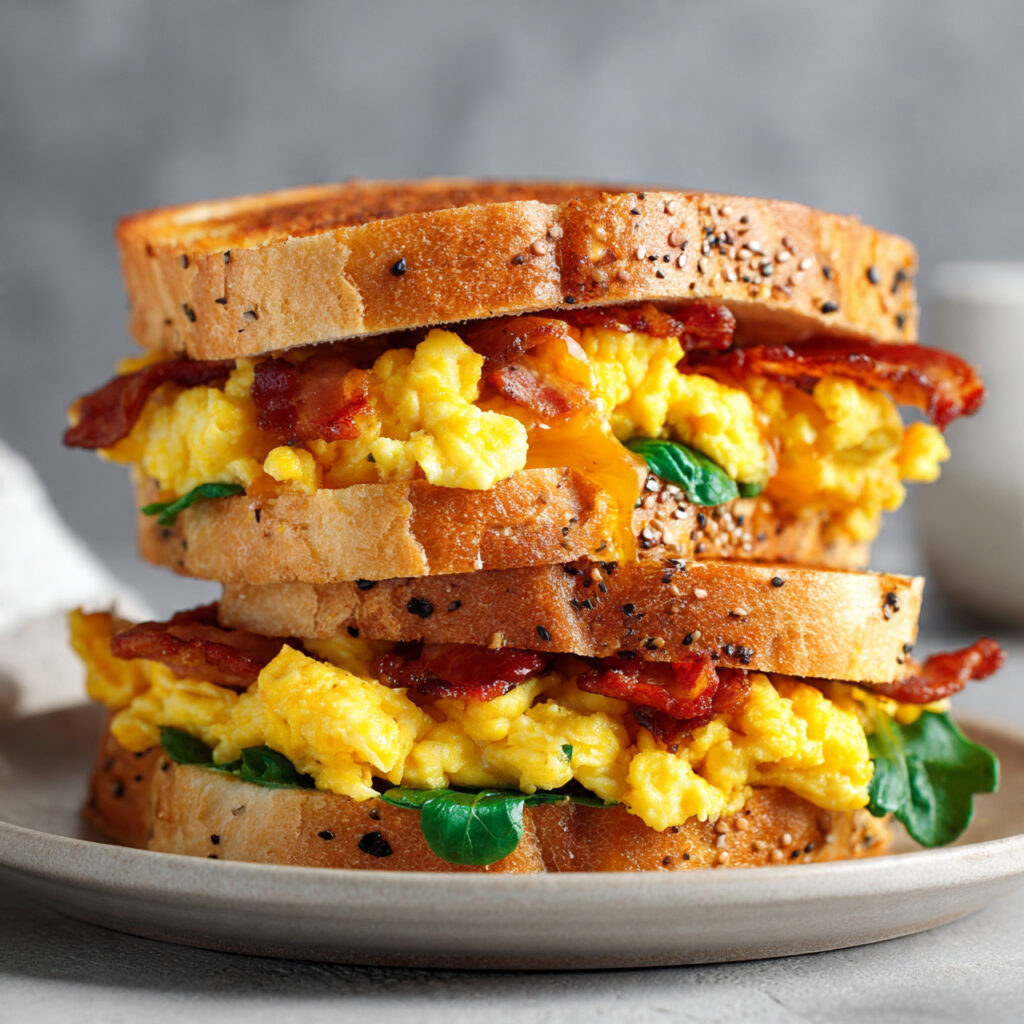
For protein, eggs are the easiest option. They cook fast and pair well with everything. If you want something heavier, you can add bacon, sausage, or even paneer if you prefer a vegetarian version.
Cheese is where the magic happens. A simple slice of cheddar or processed cheese melts quickly and adds that creamy texture that makes the sandwich feel complete.
Then you’ve got the extras – things like butter, mayo, or ketchup. These aren’t just for flavor; they help balance the textures so the sandwich doesn’t feel dry.
If you like a bit of freshness, adding onions, tomatoes, or spinach makes a big difference without adding extra work.
Best Bread Options (And What Actually Works Best)
The bread you choose changes the entire experience more than most people realize.
If you want something soft and classic, plain white bread is the easiest choice. It toasts quickly and keeps everything simple.
Whole wheat is a better option if you’re trying to keep things a bit healthier, but it has a slightly firmer texture.
If you’re going for something more filling, a bagel works well, though it can feel heavier.
And if you want that café-style vibe, a croissant gives you a buttery, slightly crispy outside with a soft inside – but it’s definitely richer.
One thing that really matters here is whether you toast the bread or not.
Toasting adds structure and keeps the sandwich from getting soggy, especially if you’re adding sauces. Skipping this step might save a minute, but the texture won’t be nearly as good.
Step-by-Step Instructions
Start by heating a pan on medium heat. You don’t want it too hot, or the eggs will cook too quickly and turn rubbery.
Crack your eggs into the pan and cook them the way you like. Scrambled is quick and easy, while a fried egg gives you that slightly runny texture that works really well in sandwiches.
While the eggs are cooking, lightly butter your bread and toast it in the same pan or a separate one. This step adds flavor and gives the sandwich a better structure.
Once the eggs are almost done, place the cheese directly on top so it starts melting. This small step makes a big difference – it blends everything together instead of feeling like separate layers.
Now it’s time to assemble. Spread your sauce on the bread, add the eggs and cheese, then layer any veggies or extras you like.
If you want a slightly crispy finish, press the sandwich back onto the pan for a minute or two. It gives you that golden, café-style texture without much effort.
Pro Tips for a Perfect Breakfast Sandwich
The difference between an average sandwich and a really good one comes down to a few small details.
Cooking your eggs on low to medium heat keeps them soft and prevents that dry, overcooked texture.
Don’t overload the sandwich with sauce. It might seem like a good idea, but too much will make everything soggy quickly.
Layering matters more than people think. Putting sauce on the bread first, then protein, then cheese helps everything stay balanced and not fall apart.
And one underrated trick – press the sandwich slightly while cooking. It helps everything stick together and gives it that clean, compact look.
Variations You Can Try
Once you’ve made the basic version, you’ll realize how easy it is to switch things up depending on your taste or what’s in your kitchen.
The classic egg and cheese sandwich is always a safe choice – simple, warm, and satisfying. But if you want something fresher, adding sautéed veggies like onions, capsicum, or spinach gives it a lighter feel without losing flavor.
If you’re aiming for something more filling, adding sausage, bacon, or grilled chicken instantly turns it into a proper high-protein breakfast.
For an Indian-style twist, try using paneer with a bit of green chutney or spicy sauce. It adds a bold flavor and feels completely different from the usual version without adding extra effort.
And if you’re cutting carbs, you can skip the bread entirely and use lettuce wraps or low-carb alternatives. It won’t feel exactly the same, but it still works surprisingly well.
Make-Ahead & Storage Tips
If mornings are always rushed for you, this is where this recipe becomes even more useful.
You can prep most of the ingredients the night before – chop veggies, cook protein, and keep everything ready in the fridge. This cuts your cooking time in half the next day.
Cooked fillings like eggs or paneer can be stored for 2–3 days in an airtight container, though fresh is always better for taste.
If you want to make sandwiches ahead of time, avoid adding sauces until you’re ready to eat. That’s the easiest way to prevent soggy bread.
For reheating, a pan works better than a microwave because it keeps the bread slightly crisp instead of soft and chewy.
Nutrition Table:
| Nutrient | Amount |
|---|---|
| Calories | 300–350 kcal |
| Protein | 14–18 g |
| Carbohydrates | 28–32 g |
| Fat | 14–18 g |
| Saturated Fat | 6–8 g |
| Fiber | 2–4 g |
| Sugar | 3–5 g |
| Sodium | 400–600 mg |
What to Serve With It
A breakfast sandwich on its own is already filling, but pairing it with something simple makes it feel more complete.
Coffee or tea is the obvious choice, especially if you want something quick and comforting.
If you prefer something refreshing, a glass of juice or a smoothie balances the richness of the sandwich really well.
You can also add something light on the side like fruits or even a few hash browns if you want a more complete breakfast plate.
And if you like dipping sauces, a bit of extra ketchup, mayo, or even a spicy dip can make each bite more interesting.

Common Mistakes to Avoid
A lot of people make breakfast sandwiches regularly but still miss a few small things that affect the final result.
Overcooking the eggs is probably the biggest mistake. It makes the sandwich dry and less enjoyable.
Using too much sauce might seem like a good idea, but it usually makes the bread soggy and messy to eat.
Skipping the toasting step also reduces the texture. That slight crispness is what holds everything together.
And finally, choosing cheese that doesn’t melt well can ruin the overall feel. You want something that becomes soft and creamy, not stiff.
FAQs
Can I make a breakfast sandwich ahead of time?
Yes, but it’s best to store the components separately and assemble fresh. This keeps the texture better and avoids sogginess.
What’s the best cheese for breakfast sandwiches?
Cheddar, American cheese, or mozzarella work best because they melt easily and give a creamy texture.
How do I keep my sandwich from getting soggy?
Toast the bread and add sauces just before eating. Also, avoid overloading with wet ingredients.
Can I make this without eggs?
Absolutely. You can use paneer, tofu, or even just veggies and cheese for a vegetarian version.
Is a breakfast sandwich healthy?
It depends on your ingredients. Using whole wheat bread, less sauce, and adding veggies makes it a more balanced option.
Conclusion
A quick breakfast sandwich is one of those meals that never really fails. It’s simple, adaptable, and fits into almost any routine without effort.
Once you get comfortable with the basic method, you can keep changing flavors, ingredients, and styles so it never feels repetitive.
If you’re looking for something fast but still satisfying in the morning, this is honestly one of the easiest things you can rely on – and it actually tastes good every time.

Quick Breakfast Sandwich
Ingredients
Method
- Heat a pan over medium heat and add a little butter.
- Crack the eggs into the pan and cook to your preference (scrambled or fried). Season with salt and pepper.
- Place the cheese slice on the eggs while still in the pan and let it melt slightly.
- Lightly butter the bread and toast it until golden.
- Spread mayonnaise or ketchup on one side of the bread (optional).
- Place the cooked eggs with melted cheese onto the bread.
- Add onion and tomato slices if using.
- Top with the second slice of bread and gently press.
- Optional: Toast the assembled sandwich in the pan for 1–2 minutes for extra crispiness.
- Serve hot.
Notes
- Use whole wheat bread for a healthier option.
- Add paneer, bacon, or sausage for extra protein.
- Avoid too much sauce to prevent soggy bread.
- For meal prep, store ingredients separately and assemble fresh.