
Patty pan squash is one of those vegetables that looks fancy but is actually very easy to cook. With its small, scalloped shape and mild flavor, it fits perfectly into everyday meals as well as special dinners.
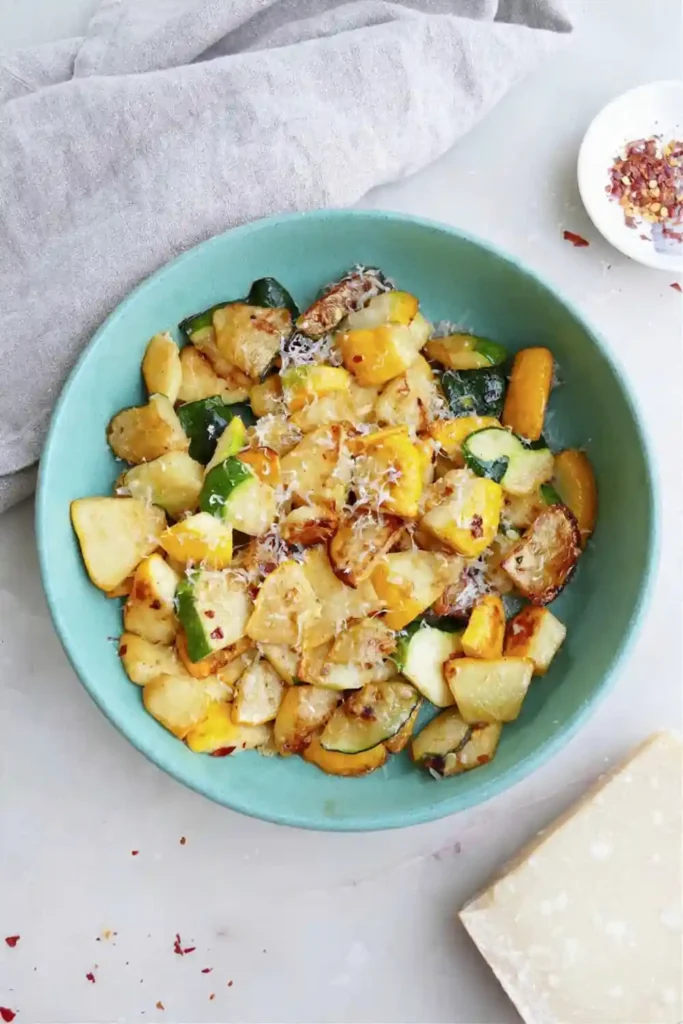
I’ll be honest-patty pan squash is underrated. It cooks quickly, absorbs flavor beautifully, and works with almost any seasoning you already use in your kitchen. If you like zucchini or yellow squash, you’ll almost certainly enjoy this one too.
Choosing Fresh Patty Pan Squash
Good flavor starts with good squash. Fresh patty pan squash should feel firm and slightly heavy for its size.
Look for these signs when buying:
- Bright, even color with no dull spots
- Smooth skin without wrinkles
- Size around 3–5 inches for best texture
- No soft spots or cracks
Smaller squash are more tender and slightly sweeter. Larger ones are still usable, but the seeds can be tougher, so you may want to scoop them out before cooking.
Key Ingredients for the Recipe
Patty pan squash doesn’t need much to taste great. Simple ingredients let its natural flavor shine.
- 4 medium patty pan squash
- 2 tablespoons olive oil or butter
- 2 cloves garlic, minced
- Salt, to taste
- Black pepper, to taste
- 1 teaspoon fresh thyme or parsley (optional)
- 1 teaspoon lemon juice (optional)
Optional additions such as lemon juice, grated cheese, or chili flakes can easily change the flavor direction without complicating the dish.
Preparing Patty Pan Squash
Preparation is quick and straightforward. Start by rinsing the squash under cool water to remove any dirt. Pat it dry with a clean towel.
Trim off the stem and the small hard nub at the bottom. For small squash, you can cook them whole or cut them in halves or quarters. Medium ones work best sliced into wedges or thick rounds. If the squash is large and seeded, scoop out the center before slicing to keep the texture tender.
Cooking Methods: Roast, Sauté, or Steam
Each cooking method gives a slightly different result, so the best choice depends on the texture and flavor you want.
Roasting brings out a lightly sweet, caramelized flavor. Toss the squash with oil, salt, and herbs, then roast until golden and tender.
Sautéing is my personal favorite for weeknight meals. Cooking sliced squash in a hot pan with oil or butter creates soft centers with lightly browned edges in just minutes.
Steaming keeps the flavor clean and mild. This method is ideal if you plan to finish the squash with sauces, cheese, or strong seasonings afterward.
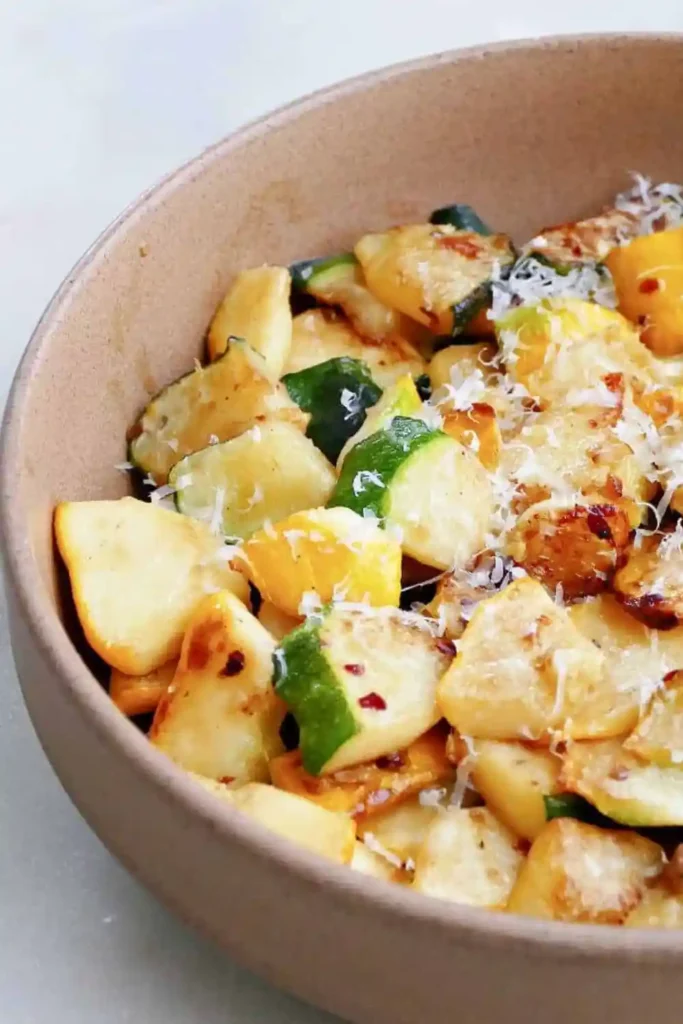
No matter the method, avoid overcooking. Patty pan squash should be tender but not mushy.
Flavor Pairings for Patty Pan Dish
Patty pan squash is incredibly flexible and pairs well with both bold and delicate flavors.
Some reliable pairings include:
- Garlic, onion, and shallots
- Lemon zest or vinegar for brightness
- Parmesan, feta, or goat cheese
- Fresh herbs like dill, basil, or thyme
- Toasted nuts or seeds for crunch
It also works beautifully alongside tomatoes, bell peppers, mushrooms, and corn.
Nutrition Facts (Per Serving)
| Nutrient | Amount |
|---|---|
| Calories | 95 kcal |
| Carbohydrates | 6 g |
| Protein | 2 g |
| Fat | 7 g |
| Fiber | 2 g |
| Sugar | 3 g |
| Sodium | 120 mg |
Tips for Perfectly Cooked Squash
A few small techniques make a big difference.
- Don’t overcrowd the pan when sautéing or roasting
- Use medium-high heat for better browning
- Season early, but adjust salt at the end
- Cut pieces evenly so they cook at the same rate
- Finish with fresh herbs or acid for balance
In my experience, most people dislike squash only because it’s been overcooked. Keep an eye on it, and stop cooking as soon as it turns tender.
Creative Serving Ideas
Patty pan squash isn’t just a side dish. It can easily become part of the main meal.
Try serving it:
- Over pasta or grain bowls
- Mixed into salads while still warm
- As a taco or wrap filling
- Tossed with eggs for breakfast
- Layered into casseroles or bakes
You can even stuff larger squash halves with seasoned grains, vegetables, or cheese for a more filling dish.
Storing Leftover Patty Pan Squash
Leftovers store well if handled properly. Let the squash cool completely, then place it in an airtight container.
Storage tips:
- Refrigerate for up to 3–4 days
- Reheat gently on the stovetop or microwave
- Add a splash of oil or water when reheating to prevent dryness
I don’t recommend freezing cooked patty pan squash—it tends to lose its texture.
Enjoy Your Patty Pan Creation!
Patty pan squash is simple, versatile, and surprisingly satisfying. Once you get comfortable cooking it, you’ll find yourself reaching for it more often—especially when you want something fresh, quick, and healthy without much effort. In my opinion, this is one vegetable that deserves a regular spot in your kitchen.
Simple Patty Pan Squash Recipe
Ingredients
Method
- Wash the patty pan squash thoroughly and pat dry. Trim the stems and slice into halves or wedges.
- Heat olive oil or butter in a large skillet over medium heat.
- Add the squash pieces in a single layer and cook for 4–5 minutes until lightly golden.
- Stir in the garlic, salt, and black pepper. Continue cooking for another 5–6 minutes until tender.
- Remove from heat and finish with fresh herbs and lemon juice if using.
- Let rest briefly before serving.
Notes
- Avoid overcrowding the pan to ensure even browning.
- Smaller squash cook faster and have a more tender texture.
- This recipe can also be roasted at 400°F (200°C) for 18–22 minutes for a deeper flavor.