
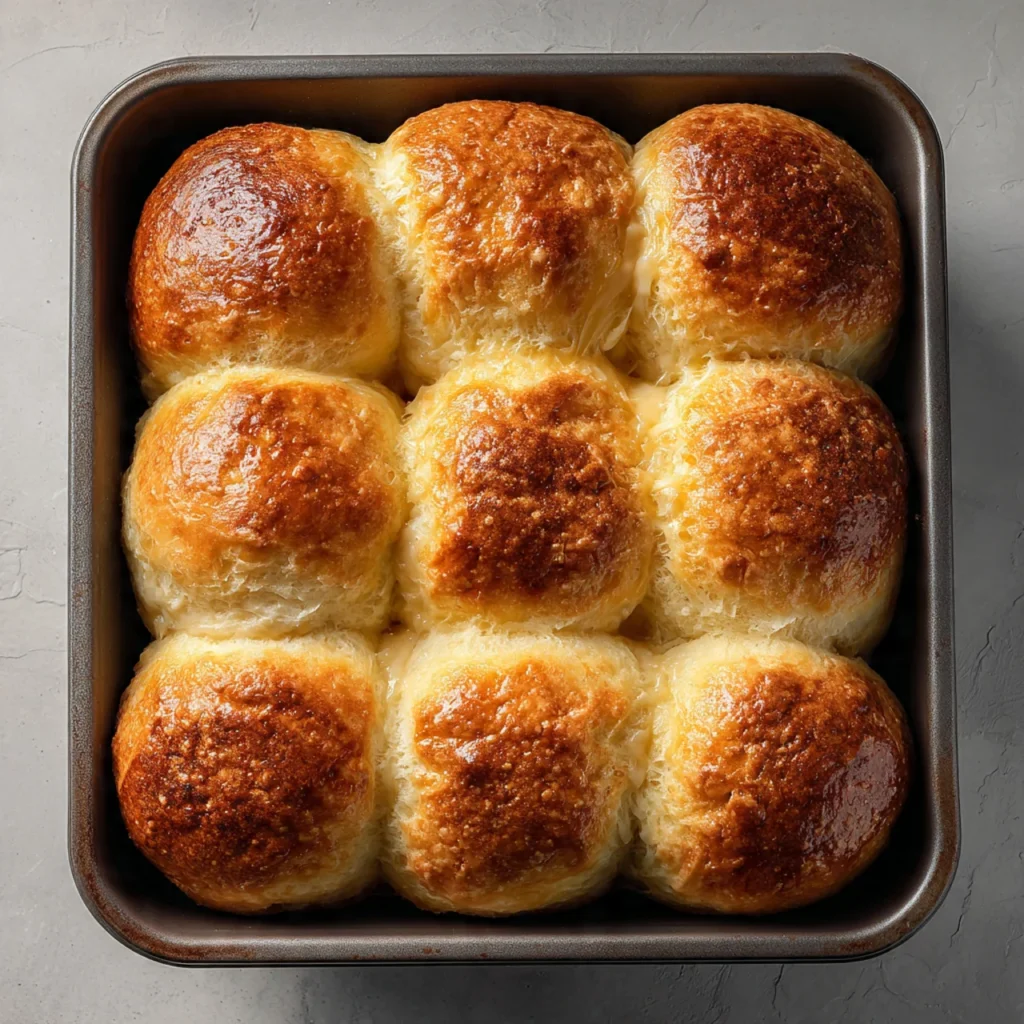
Cottage cheese dinner rolls are soft, fluffy yeast rolls made with cottage cheese for extra moisture and tenderness.
The cottage cheese melts into the dough as it bakes, creating rich, pillowy rolls that stay soft longer than traditional dinner rolls.

If you’ve ever wanted a dinner roll recipe that feels homemade in the best way-warm, cozy, and a little nostalgic-this is the one.
Why Cottage Cheese Works in Dinner Rolls
At first glance, cottage cheese might seem like an odd choice for bread. But from a baking perspective, it makes perfect sense.
Cottage cheese adds:
- Moisture, which keeps the rolls soft for days
- Protein, which strengthens the dough gently
- Mild richness, without heaviness or grease
Once blended or warmed into the dough, the curds disappear completely. What’s left behind is a roll that’s tender, fluffy, and slightly creamy in texture-never dry, never crumbly.
Direct opinion: cottage cheese is one of the most underrated ingredients in baking. It quietly does all the hard work without asking for attention.
What These Rolls Taste and Feel Like
Cottage cheese dinner rolls don’t taste like cheese. Instead, they taste like perfect dinner rolls should.
You can expect:
- A soft, pillowy interior that pulls apart easily
- A lightly golden crust, not thick or chewy
- A subtle richness, without sweetness overload
- A texture that stays tender even after cooling
They’re neutral enough to go with savory meals but still delicious with a swipe of butter or honey.
Ingredient Insights (No Measurements)
Cottage Cheese
Small-curd cottage cheese works best. Full-fat gives the richest texture, but low-fat versions also work surprisingly well. The key is warming it slightly so it blends smoothly into the dough.
Yeast
Active dry or instant yeast both work. This dough is forgiving and rises beautifully as long as the yeast is fresh.
Flour
All-purpose flour is ideal here. Bread flour can be used, but it will make the rolls slightly chewier rather than soft and fluffy.
Fat
Butter adds flavor and tenderness. Oil works in a pinch, but butter gives that classic dinner-roll taste.
Eggs
Eggs add structure and richness, helping the rolls rise evenly and bake up soft.
Step-by-Step: How Cottage Cheese Dinner Rolls Come Together
Step 1: Warm the Cottage Cheese
The cottage cheese is gently warmed with butter (and sometimes milk or water) until it’s smooth and lukewarm-not hot. This step softens the curds and helps the dough come together evenly.
This is also where a lot of the moisture in the rolls comes from, so don’t rush it.
Step 2: Activate the Yeast
Once the mixture is warm (not hot), yeast is added. The warmth wakes up the yeast gently, giving you a strong, reliable rise.
If you’re new to yeast baking, this step builds confidence-you’ll actually see it start working.
Step 3: Mix the Dough
Eggs and flour are added gradually, forming a soft, slightly sticky dough. The dough should feel elastic and supple, not stiff. If it feels too dry, the rolls won’t be as tender.
This dough is meant to be soft-that’s what creates that pillowy texture later.
Step 4: Knead Until Smooth
Kneading develops the gluten just enough to give structure without toughness. Whether you knead by hand or mixer, stop once the dough is smooth and slightly tacky.
Over-kneading can make the rolls dense, so gentle handling matters.
Step 5: First Rise
The dough is covered and left to rise until doubled in size. This is where the magic happens quietly. The dough becomes airy, relaxed, and easy to shape.
A warm kitchen speeds things up, but patience matters more than temperature.
Step 6: Shape the Rolls
The dough is divided into equal pieces and shaped into smooth balls. This step doesn’t need to be perfect-rustic rolls are part of the charm.
Placed close together in a baking dish, the rolls rise into each other, creating soft sides and tall centers.
Step 7: Second Rise
After shaping, the rolls rise again. This second rise ensures they bake light instead of dense. Skipping or rushing this step is the most common reason rolls turn out heavy.
Step 8: Bake Until Golden
The rolls bake until lightly golden on top and soft inside. Brushing with butter while warm adds flavor and keeps the tops tender.
The smell alone will convince you these were worth the effort.
Common Mistakes to Avoid
- Using cold cottage cheese: prevents smooth dough
- Adding too much flour: leads to dry rolls
- Overbaking: dries out the interior
- Skipping the second rise: causes dense texture
- Hot liquid + yeast: kills the rise
These rolls are forgiving-but softness depends on restraint.
Nutrition (Per Roll)
| Nutrient | Amount |
| Calories | 190 kcal |
| Protein | 7 g |
| Fat | 6 g |
| Saturated Fat | 3 g |
| Carbohydrates | 27 g |
| Sugar | 3 g |
| Sodium | 280 mg |
How to Serve Cottage Cheese Dinner Rolls
These rolls fit into almost any meal.
They’re perfect with:
- Soups and stews
- Holiday dinners
- Weeknight chicken or pasta
- Breakfast with butter and jam
They’re also incredible sliced and toasted the next day.
Storage and Make-Ahead Tips
Cottage cheese dinner rolls store exceptionally well.
- Keep at room temperature for up to 2 days
- Refrigerate for up to 5 days
- Freeze baked rolls for up to 2 months
To reheat, warm gently in the oven and brush with butter to revive softness.
Variations You Can Try
Honey Butter Rolls
Add a touch of honey to the dough for subtle sweetness.
Garlic Herb Rolls
Mix herbs into melted butter and brush before baking.
Whole Wheat Version
Replace part of the flour with whole wheat for a heartier roll.
Cheddar Swirl Rolls
Add shredded cheese for a savory variation-still soft, just richer.
FAQs
Do these rolls taste like cottage cheese?
No. The cottage cheese melts into the dough and leaves no distinct flavor.
Can I use low-fat cottage cheese?
Yes. Full-fat is richer, but low-fat still works well.
Are these beginner-friendly?
Absolutely. The dough is forgiving and rises reliably.
Can I make the dough ahead of time?
Yes. Refrigerate the dough after the first rise and shape the next day.
Why are my rolls dense?
Usually from too much flour or not enough rise time.
Final Thoughts
Cottage cheese dinner rolls are one of those recipes that quietly become a staple. They don’t demand attention, they don’t try to be fancy-but they show up every time, soft and comforting, ready to be torn apart and shared.They’re the rolls people remember. The ones they ask about.
The ones you start making “just because” instead of waiting for a special occasion. And once you’ve baked them a few times, they stop feeling like a recipe and start feeling like yours.
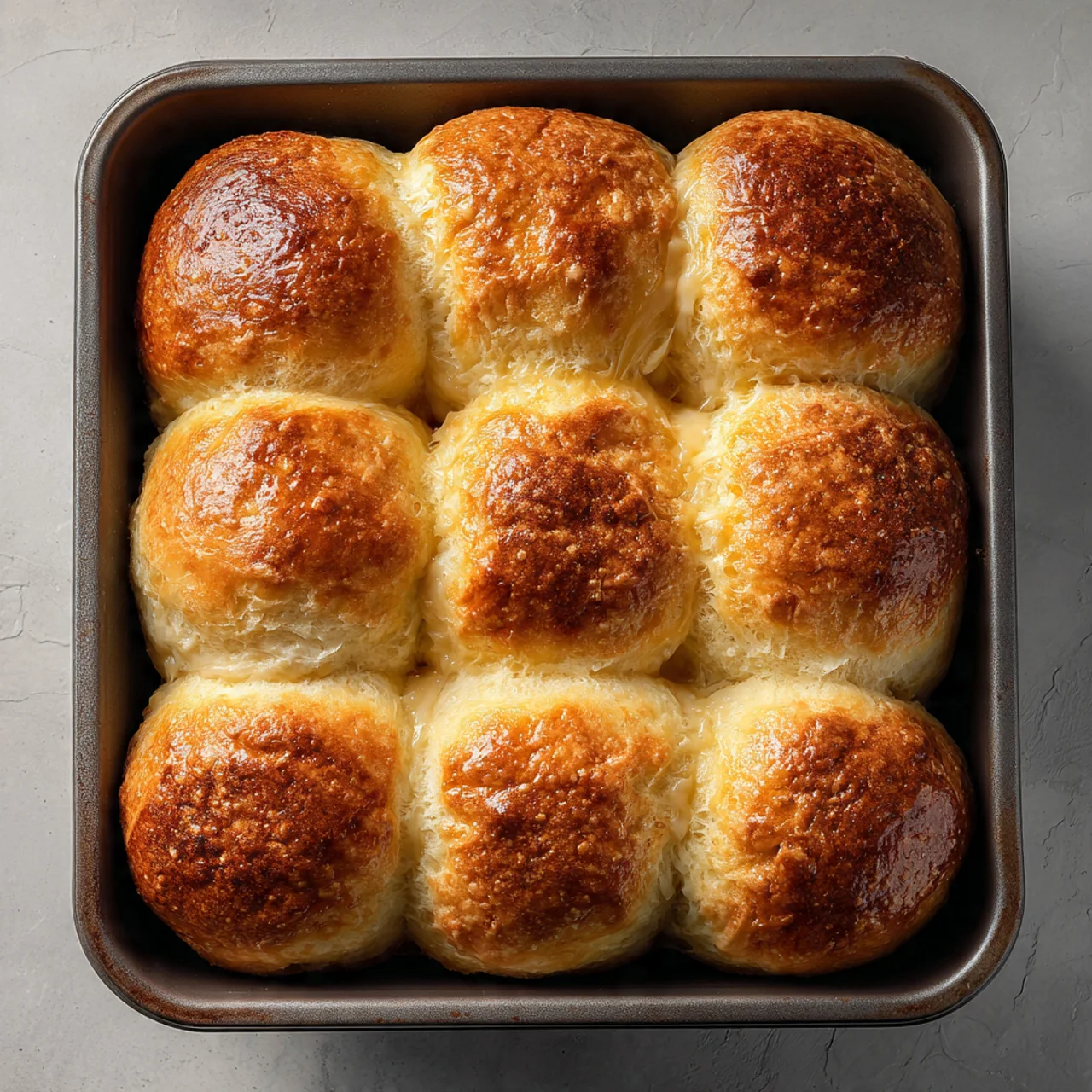
Cottage Cheese Dinner Rolls
Ingredients
Method
- Warm the cottage cheese, milk, and butter in a saucepan until melted and lukewarm. Remove from heat.
- Stir in sugar and sprinkle yeast over the mixture. Let sit for 5 minutes until foamy.
- Add egg and salt, then gradually mix in flour until a soft dough forms.
- Knead the dough until smooth and slightly tacky, about 6–8 minutes.
- Place dough in a greased bowl, cover, and let rise until doubled, about 1 hour.
- Divide dough into 12 pieces and shape into rolls. Place in a greased baking dish.
- Cover and let rise again for 30 minutes.
- Bake at 375°F (190°C) for 18–20 minutes, until lightly golden.
- Brush warm rolls with butter before serving.
Notes
- Use full-fat cottage cheese for the softest texture.
- Dough should be soft; avoid adding too much flour.
- Rolls stay tender for days due to the cottage cheese.
- Freeze baked rolls for up to 2 months and reheat gently.