

Toffee is a hard candy made by cooking butter and sugar together until caramelized and crisp.
As it cools, the mixture hardens into a buttery, golden candy with a clean snap, often finished with chocolate, nuts, or sea salt.
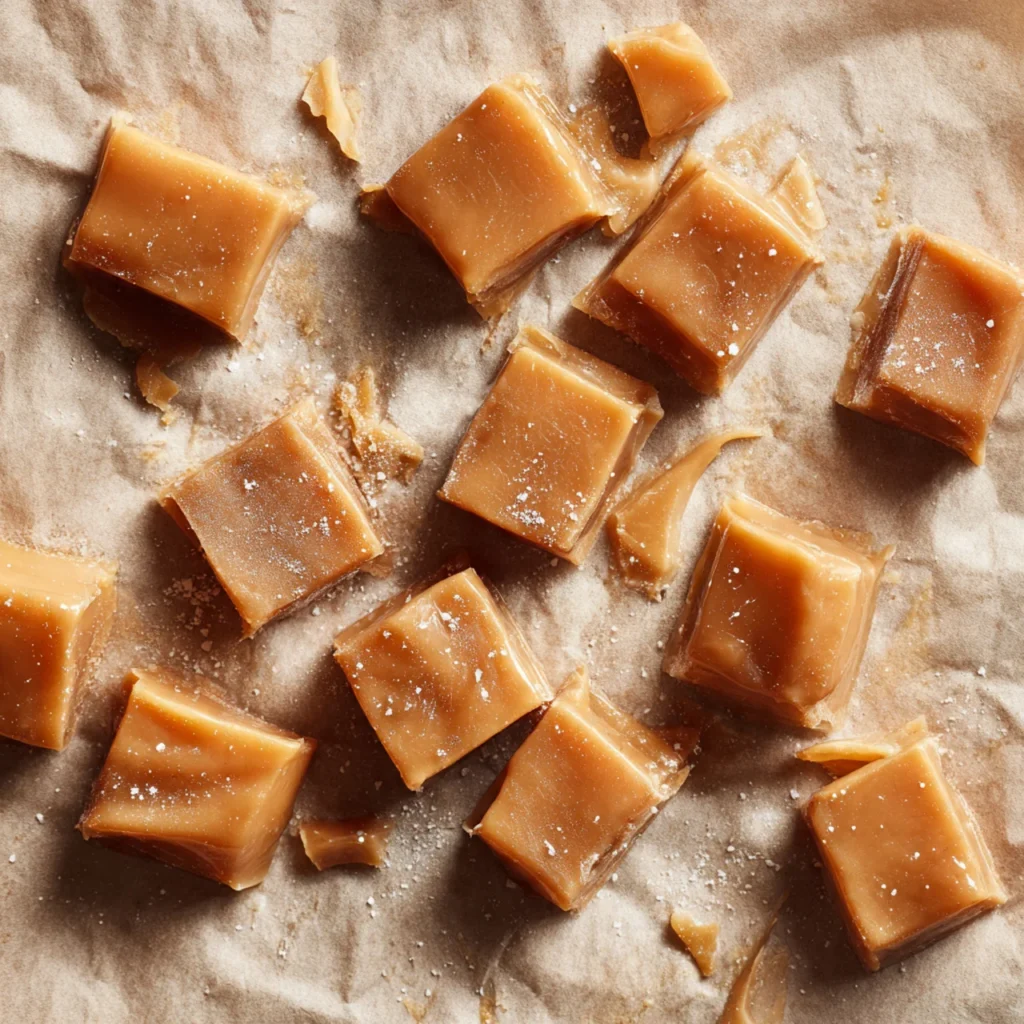
What Is Toffee, Really?
At its core, toffee is a hard candy made by cooking sugar and butter together until they reach a precise temperature. As the mixture heats, the sugar caramelizes and the butter emulsifies, creating that signature golden color and deep, nutty flavor.
Unlike caramel, which stays soft and chewy, toffee is cooked longer, allowing it to harden as it cools. That’s what gives toffee its crisp snap and brittle-like texture. It’s firm, but not rock-hard, and it melts slowly in your mouth rather than sticking to your teeth.
Direct opinion: good toffee shouldn’t be sticky or chewy. If it is, it wasn’t cooked long enough
Why Toffee Has Such a Loyal Following
People don’t just like toffee-they’re devoted to it. There’s a reason it shows up in holiday tins, gift boxes, and family recipes passed down for generations.
- It feels indulgent without being flashy
- It uses pantry staples, not specialty ingredients
- It stores well and travels beautifully
- It balances sweetness with richness
Toffee is generous candy. You can make a batch, break it into shards, and suddenly you have something worth sharing.
Flavor and Texture You Should Expect
Perfect toffee hits several notes at once:
- Deep buttery richness without greasiness
- Warm caramel flavor with slight nuttiness
- Clean snap when broken
- Slow melt on the tongue
If your toffee tastes flat, pale, or overly sweet, the sugar didn’t caramelize fully. If it tastes bitter, it went just a little too far. Toffee lives in that beautiful middle ground.
Ingredient Insights
Butter
Butter is the backbone of toffee. Real butter-not margarine-gives toffee its flavor, aroma, and structure. Unsalted butter is preferred so you can control the salt level, but lightly salted butter can work if balanced carefully.
The quality of your butter matters more here than almost anywhere else.
Sugar
Granulated sugar is traditional. As it melts and cooks, it transforms into caramel, giving toffee its color and depth. Brown sugar can be used in variations, but classic toffee relies on white sugar for a clean finish.
Salt
A small amount of salt balances the sweetness and enhances the buttery notes. Modern versions often finish with flaky sea salt on top, which adds contrast and crunch.
Chocolate (Optional but Beloved)
Many people associate toffee with a chocolate topping. The warmth of freshly cooked toffee melts chocolate perfectly, creating a smooth layer that sets as it cools. Dark, milk, or semi-sweet all work-it’s a matter of preference.
Nuts (Optional)
Almonds are the classic choice, adding crunch and a toasted flavor. Pecans and walnuts also work beautifully. Nuts should always be toasted for maximum flavor.
The Science Behind Great Toffee
Toffee is where cooking meets chemistry. Understanding what’s happening in the pan makes success far more likely.
As the mixture heats:
- Sugar dissolves and begins to caramelize
- Water evaporates
- Butterfat and sugar emulsify
- The mixture thickens and darkens
Temperature is everything. Too low, and the toffee stays soft. Too high, and it burns. A candy thermometer removes guesswork and turns toffee from intimidating to manageable.
Direct opinion: if you plan to make toffee more than once, a thermometer is worth it.
Step-by-Step: How Toffee Comes Together
Step 1: Prepare Everything First
Toffee waits for no one. Before heat is applied, line your pan, chop nuts, and have chocolate ready. Once the mixture reaches temperature, things move fast.
Step 2: Melt and Cook
Butter and sugar are heated together, stirring constantly. At first, the mixture looks separated and grainy. This is normal. Keep stirring gently and steadily.
This stage requires patience. Rushing it with high heat leads to separation or scorching.
Step 3: Watch the Color
As the mixture cooks, it will turn from pale yellow to a rich golden brown. The aroma shifts too-from buttery sweetness to deep caramel.
This is where attention matters most.
Step 4: Pour and Spread
Once the toffee reaches the right temperature, it’s poured onto the prepared surface and spread quickly. It begins to set almost immediately.
Step 5: Add Toppings
Chocolate is added while the toffee is still hot, allowing it to melt smoothly. Nuts and salt are sprinkled on top before everything fully sets.
Step 6: Cool and Break
Once cooled, the toffee is broken into irregular pieces. This rustic look is part of its charm-no need for perfection.
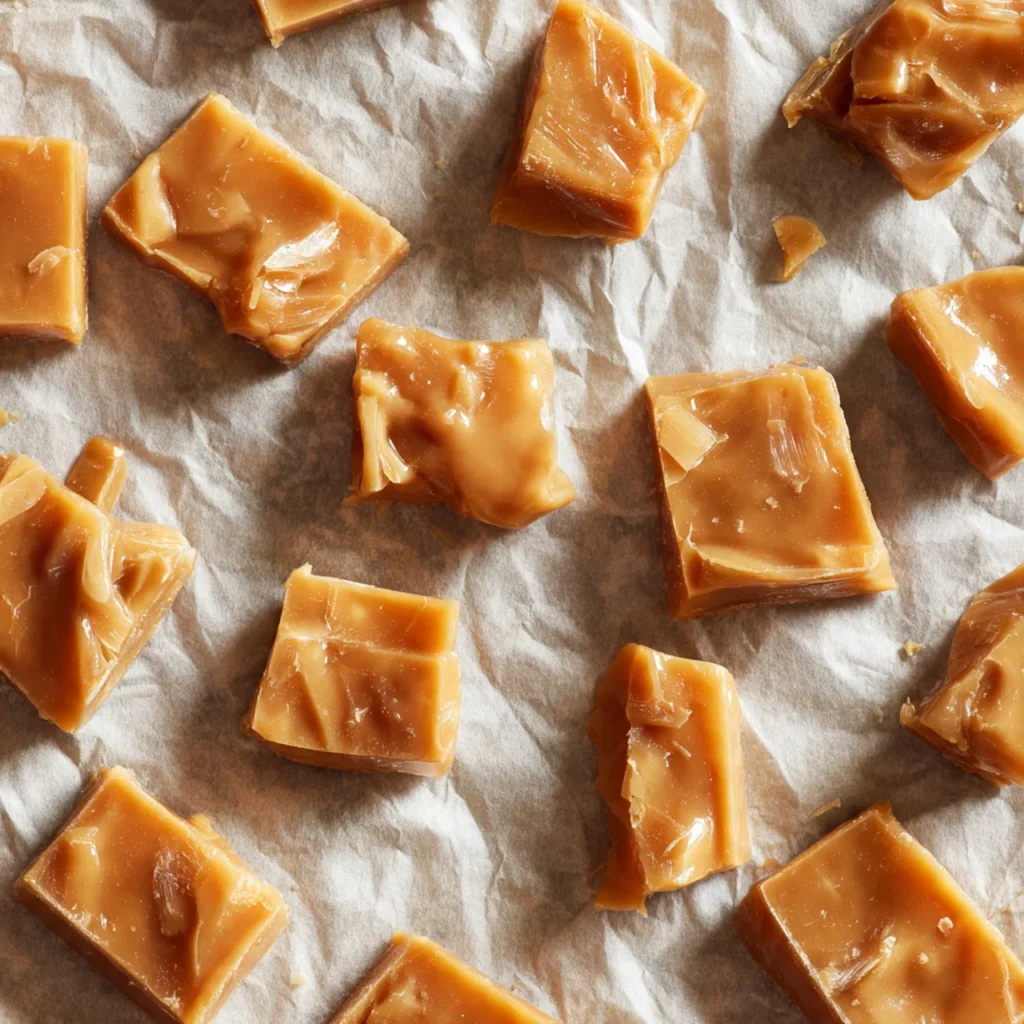
Common Toffee Mistakes (and How to Avoid Them)
Grainy Texture
This usually comes from stirring too aggressively or uneven heating. Gentle, consistent stirring works best.
Separation
Butter separating from sugar can happen if the heat is too high. Lower the heat and keep stirring-sometimes it will come back together.
Soft Toffee
If your toffee bends instead of snapping, it didn’t reach the proper temperature. It can sometimes be reheated carefully and saved.
Burnt Flavor
Once burnt, there’s no fixing it. Better to stop just shy of dark brown than push too far.
How Toffee Is Traditionally Served
Toffee is often served simply, broken into pieces and eaten as-is. It also appears:
- As part of holiday candy trays
- Crumbled over ice cream
- Mixed into cookies or brownies
- Packaged as edible gifts
It’s equally welcome at a casual coffee break or a festive celebration.
Storage and Shelf Life
One of toffee’s best qualities is how well it keeps.
- Store in an airtight container
- Keep at room temperature
- Separate layers with parchment paper
Properly stored, toffee can last several weeks without losing quality. Humidity is its biggest enemy-keep it dry.
Nutrition Information (Per Serving)
| Nutrient | Amount |
| Calories | 210 kcal |
| Fat | 14 g |
| Saturated Fat | 9 g |
| Carbohydrates | 22 g |
| Sugar | 20 g |
| Protein | 1 g |
| Sodium | 85 mg |
Popular Toffee Variations
English Toffee
Often topped with chocolate and almonds, this is the version most people recognize.
Salted Toffee
Finished with flaky sea salt for a sweet-salty contrast.
Chocolate-Free Toffee
Pure, buttery, and ideal for those who want the caramel flavor to shine.
Spiced Toffee
A hint of cinnamon or espresso powder adds depth without overwhelming.
Why Homemade Toffee Is Worth It
Store-bought toffee can be good, but homemade toffee has a freshness and richness that’s hard to replicate. You control the color, the bitterness, the toppings, and the thickness. Every batch feels personal.
Direct opinion: once you make toffee successfully at home, it becomes one of those recipes you’re proud to own.
FAQs
Is toffee hard to make?
It requires attention, but not advanced skill. Patience matters more than experience.
Do I need a candy thermometer?
It’s highly recommended, especially for beginners.
Why does my toffee taste bitter?
It cooked too long or at too high a temperature.
Can I make toffee without chocolate?
Absolutely. Classic butter toffee stands on its own.
Is toffee the same as brittle?
No. Brittle usually contains nuts cooked into the candy, while toffee often has toppings added after cooking.

Homemade Toffee
Ingredients
Method
- Line a baking sheet with parchment paper and set aside.
- In a heavy saucepan over medium heat, melt butter and sugar together, stirring constantly.
- Continue cooking and stirring until the mixture turns deep golden and reaches hard-crack stage.
- Remove from heat and stir in vanilla and salt.
- Immediately pour the toffee onto the prepared baking sheet and spread evenly.
- Sprinkle chocolate chips over the hot toffee and let sit until melted, then spread evenly.
- Top with nuts and flaky salt if using.
- Let cool completely, then break into pieces
Notes
- Use a candy thermometer for best results.
- Stir constantly to prevent scorching.
- Store in an airtight container at room temperature.
- Avoid humid environments—moisture softens toffee.
- Toffee keeps well for up to 2–3 weeks when stored properly.